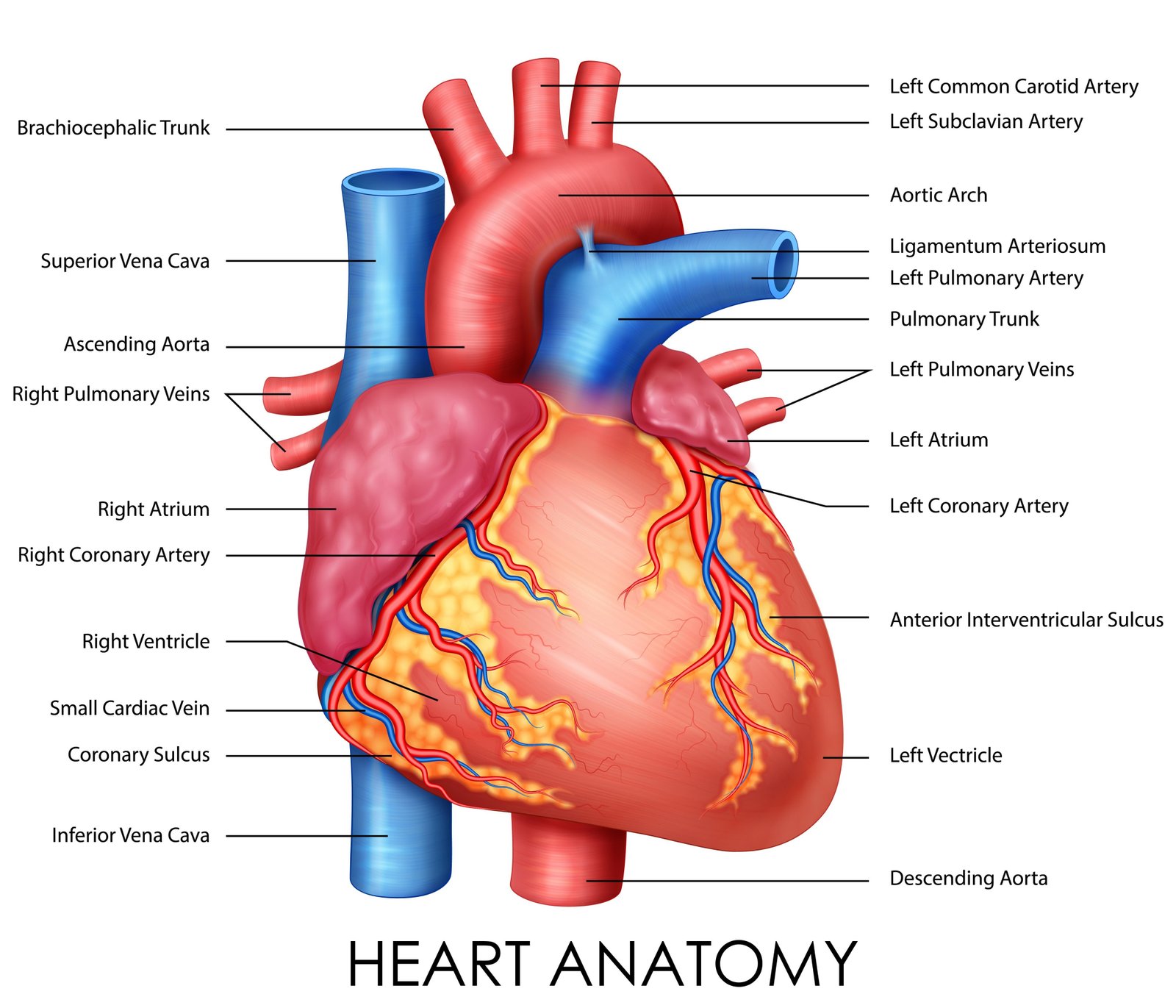
The Silent Connection: How Your Oral Hygiene Affects Your Cardiovascular Health
Your heart and your mouth may seem like two completely separate parts of your body, but research has shown a surprisingly strong connection between them. Poor oral hygiene, particularly gum disease (periodontitis), is linked to an increased risk of heart disease.
The primary culprit is inflammation. When you have gum disease, bacteria can build up and enter your bloodstream through your gums. This can trigger a systemic inflammatory response. This inflammation can affect blood vessels throughout your body, including those that lead to your heart. It can contribute to the formation of plaque in your arteries, a condition known as atherosclerosis. This narrowing of the arteries can lead to heart attacks and strokes.
Practicing good oral hygiene is a simple yet effective way to protect your heart. Regularly brushing, flossing, and visiting your dentist for professional cleanings can help reduce the bacteria in your mouth and keep your gums healthy, which, in turn, can help keep your heart healthy.
The Vicious Cycle: Understanding the Link Between Hypertension and Heart Disease
Hypertension, or high blood pressure, is often called the "silent killer" because it typically has no symptoms. However, its impact on your heart is anything but silent. There is a direct and powerful link between high blood pressure and an increased risk of heart disease.
When your blood pressure is consistently high, it forces your heart to work harder to pump blood. Over time, this constant strain can damage your arteries, making them less elastic and more prone to the buildup of plaque. This process, known as atherosclerosis, narrows your arteries, restricting blood flow. This can lead to a variety of heart conditions, including:
- Coronary Artery Disease: The arteries that supply blood to your heart muscle become hardened and narrowed.
- Heart Attack: A blockage in an artery cuts off blood flow to a part of the heart muscle, causing it to die.
- Heart Failure: The heart muscle weakens and becomes less efficient at pumping blood.
- Stroke: A blood vessel in the brain either bursts or is blocked by a clot.
Managing your blood pressure is crucial for protecting your heart. A healthy lifestyle—including a balanced diet, regular exercise, and stress management—along with medication if needed, can help keep your blood pressure in a healthy range.
The Heart-Mind Connection: The Impact of Stress on Heart Health
Stress is an unavoidable part of modern life, but chronic stress can have a profound and negative impact on your cardiovascular health. While short-term stress responses are normal, long-term or severe stress can put your heart at risk in several ways.
When you're under stress, your body releases hormones like adrenaline and cortisol. These hormones can temporarily increase your heart rate and blood pressure. While this "fight or flight" response is useful in dangerous situations, a prolonged state of high hormone levels can be detrimental. It can lead to:
- High Blood Pressure: Chronic stress can contribute to sustained high blood pressure, which, as mentioned earlier, is a major risk factor for heart disease.
- Inflammation: Stress hormones can promote inflammation throughout the body, including in the arteries, contributing to atherosclerosis.
- Unhealthy Habits: People often cope with stress through unhealthy behaviors, such as smoking, overeating, or drinking alcohol, all of which are harmful to the heart.
- Irregular Heartbeat: High levels of stress hormones can also trigger an irregular heartbeat (arrhythmia), which can be dangerous for some individuals.